
*CIDES
Genocide. Ecocide. Scholasticide. Medicide. Domicide. Urbicide. Culturicide. Memoricide. Epistemicide. Extermination. Not one. All of them.

Genocide.
Ecocide.
Scholasticide.
Medicide.
Domicide.
Urbicide.
Culturicide.
Memoricide.
Epistemicide.
Extermination.
Not one. All of them.
From Yoav Gallant stating that “Gaza won’t return to what it was before. We will eliminate everything” to Daniel Hagari declaring that Israel is “dropping hundreds of tons of bombs on Gaza. The focus is on destruction, not accuracy,” Israel has signalled, in its own words, the scale and direction of what is being carried out in Gaza. Overnight, Eyal Zamirindicated that Israel expects continued and expanding military engagement, with operations not only in Gaza but across Lebanon and Syria, and the potential for further fronts.
This is not an isolated campaign. It is a trajectory. A state that frames itself through security, yet repeatedly extends war beyond its immediate borders. A pattern that did not begin here, and does not appear to end here. And in Gaza, that trajectory is visible not as abstraction, but as method.
Ecocide
I think of my friend, Omar’s, family land, of his mother with the figs and lemons, of his father in the garden where he loved to be, olive trees that had stood for generations. Gone. Olive trees, hundreds of years old, uprooted, citrus groves flattened, agricultural land stripped bare. These are not incidental losses. They are generational systems of life cut out at the root. Soil left carrying the residue of explosives and heavy metals, air thick with the aftermath of munitions and burning infrastructure, what once sustained life made hostile to it. This is not damage. This is removal.
Scholasticide
Universities levelled, schools bombed including those sheltering civilians, a generation cut off from education by force. This is scholasticide. Scholars, writers, academics killed. Refaat Alareer, a professor who taught his students how to write their way out of silence, killed in Gaza. “If I must die, you must live to tell my story…” Sufyan Tayeh, a father, a university president, a man who spent his life building institutions of knowledge in a place where they are repeatedly torn down, killed in an airstrike.
Medicide
Hospitals attacked and rendered non-functional, doctors, nurses, paramedics killed while treating the wounded. I think of Dr Ahmed Moghrabi, head of the burns unit and reconstructive surgery at Nasser Hospital, a personal friend. He told me about the sieges. In 2024, the army forced patients and staff into a single file and ordered them out. He stood there in civilian clothes, his nurse just ahead of him, waiting. His nurse was taken. Ahmed was waved through. He kept walking. Later, when the nurse was released, he said they kept asking him, again and again, where Dr Ahmed Moghrabi was. He told them he was right behind me. You just never saw him. And then there is Dr Hussam Abu Safiya. Taken in December 2024. Held in an Israeli prison. Tortured. No charge. This is medicide.
Domicide
Homes reduced to dust, entire neighbourhoods erased, families not displaced but removed. This is domicide. A close friend in Gaza said to me, after his family home was bombed, “Do you think I can afford to be sentimental about my home? Habibti, I can’t. We learn to move on or we learn to fix. It has always been like this.” The same friend had already been displaced multiple times by then. By that stage, he had ended up living with extended families he had never met in his life. Nearly two hundred people. Half of them children. They were staying in a rented house. A missile landed in the neighbour’s home. It did not explode. At that moment, he gathered the children and began running in one direction. The rest of the family scattered in others. They knew a second bomb would come. And this time, they would not be so lucky. They had made it a few hundred metres from the house when the second strike came. This time it detonated. The blast tore through the air behind them, a force that pushed into their backs. He felt it before he heard it. When they returned, there was nothing left. No walls. No doors. Nothing. Just dust. They slept there that night. There was nowhere else to go.
You can see it. Gaza, before. Gaza, now. Southern Lebanon, before. Southern Lebanon, now.
Urbicide
Cities hollowed out. Roads, markets, bakeries, water systems, electricity grids dismantled. And when people try to restore what remains, they are targeted. Workers fixing phone lines. Engineers repairing power. Shot at while rebuilding the bare minimum needed to live. This is not disruption. This is prevention. This is urbicide.
Culturicide
Mosques, churches, archives and historic sites damaged or destroyed. Manuscripts, records, places of prayer, places of gathering, places that hold memory across generations. Not only buildings, but meaning. Not only structures, but identity. A people’s past made fragile, their continuity disrupted. This is culturicide.
Memoricide
Cemeteries bulldozed. Graves dug up. Bodies left exposed. Families denied the dignity of burying their dead. I saw it in Lebanon. Cemeteries bombed. Locals would ask, quietly, “Why do they target the dead? They are already dead.” There was no answer. This is memoricide.
Epistemicide
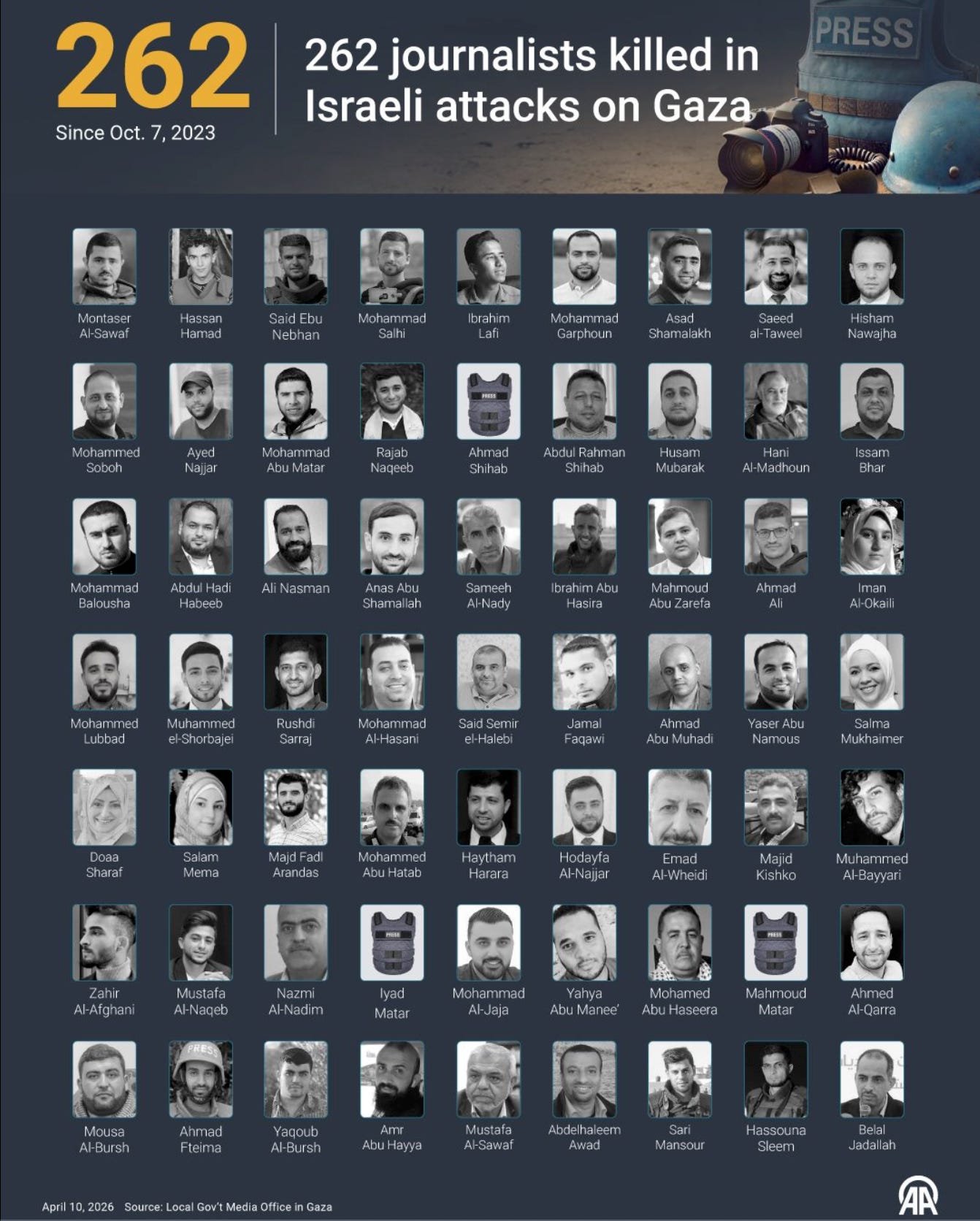
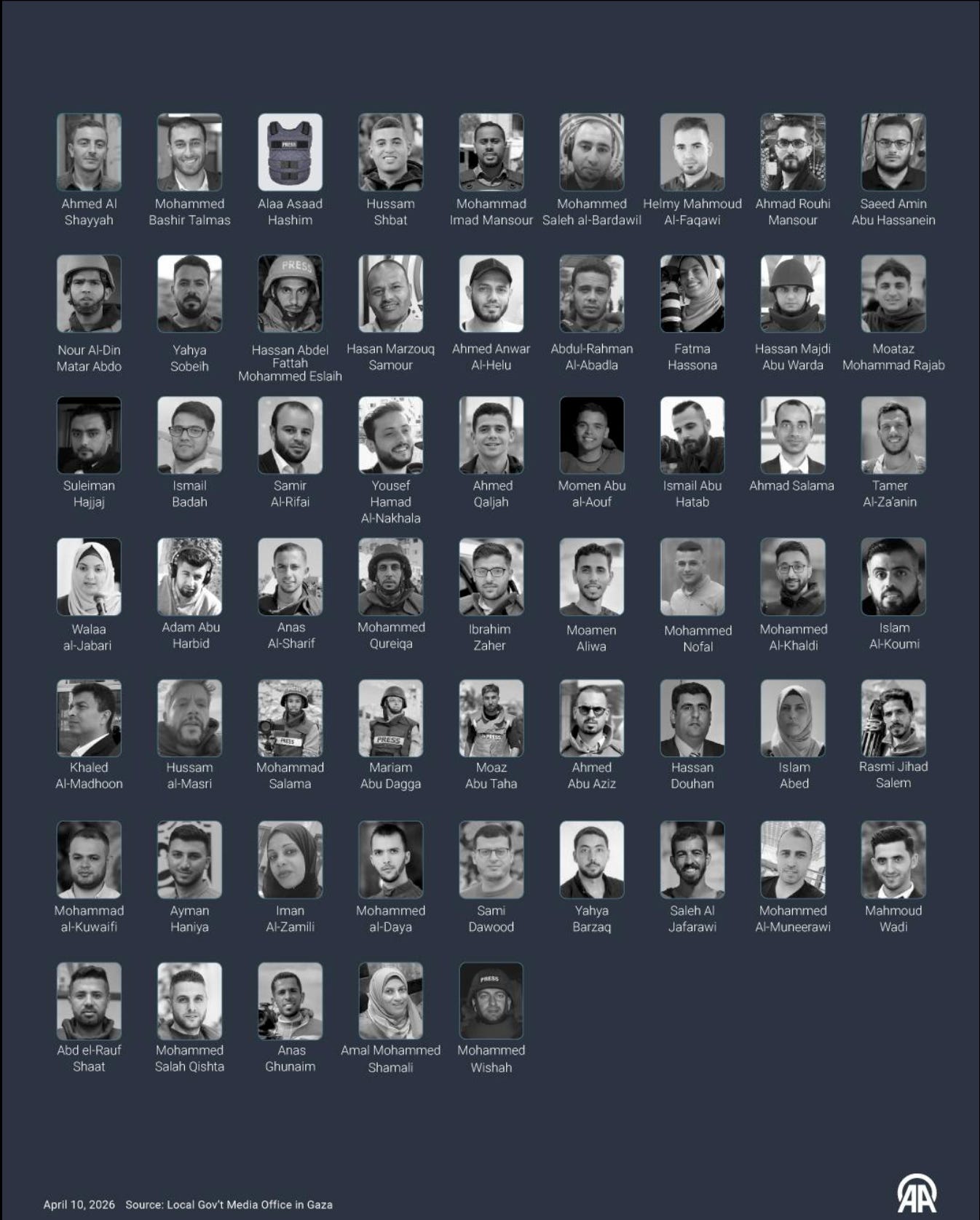
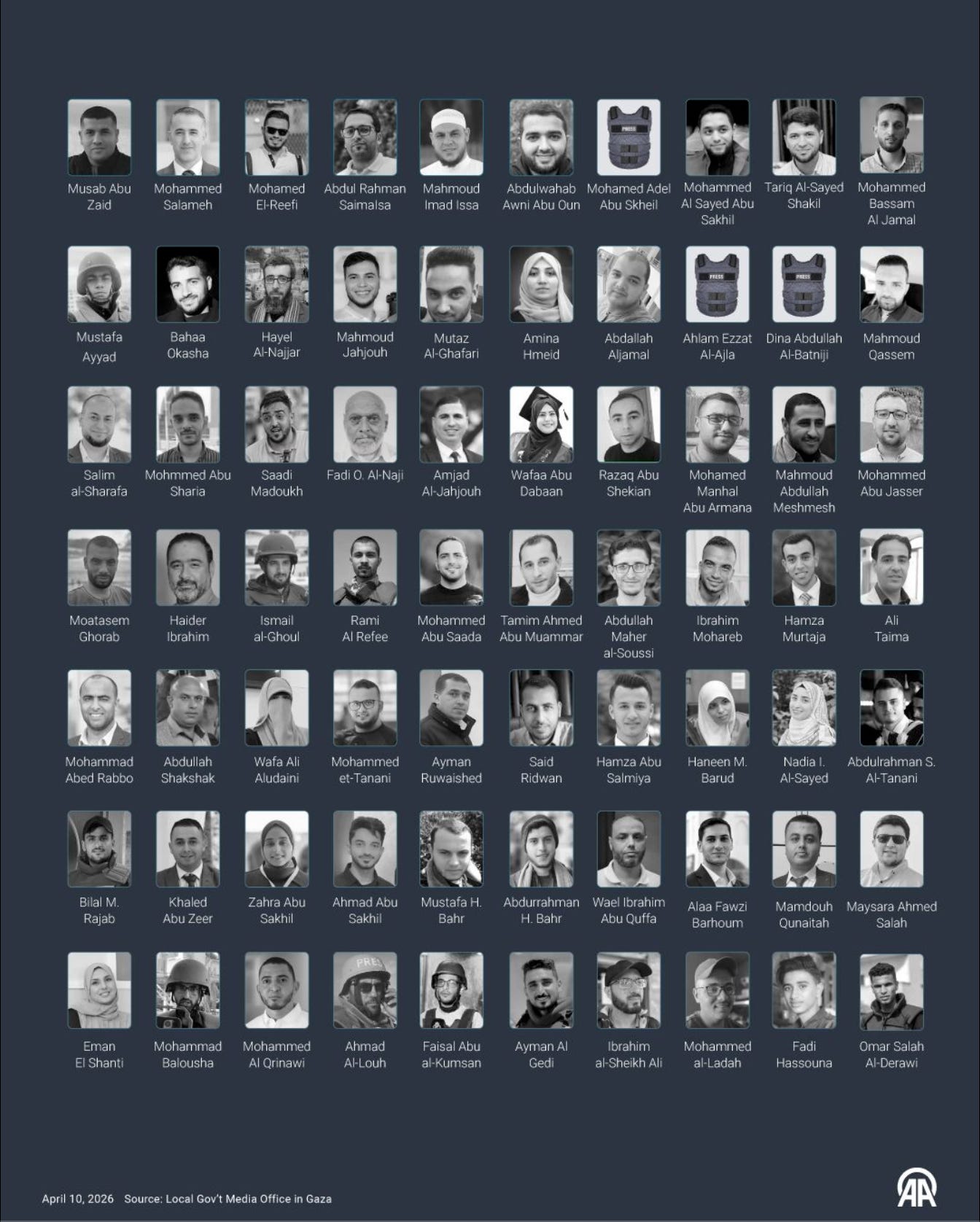
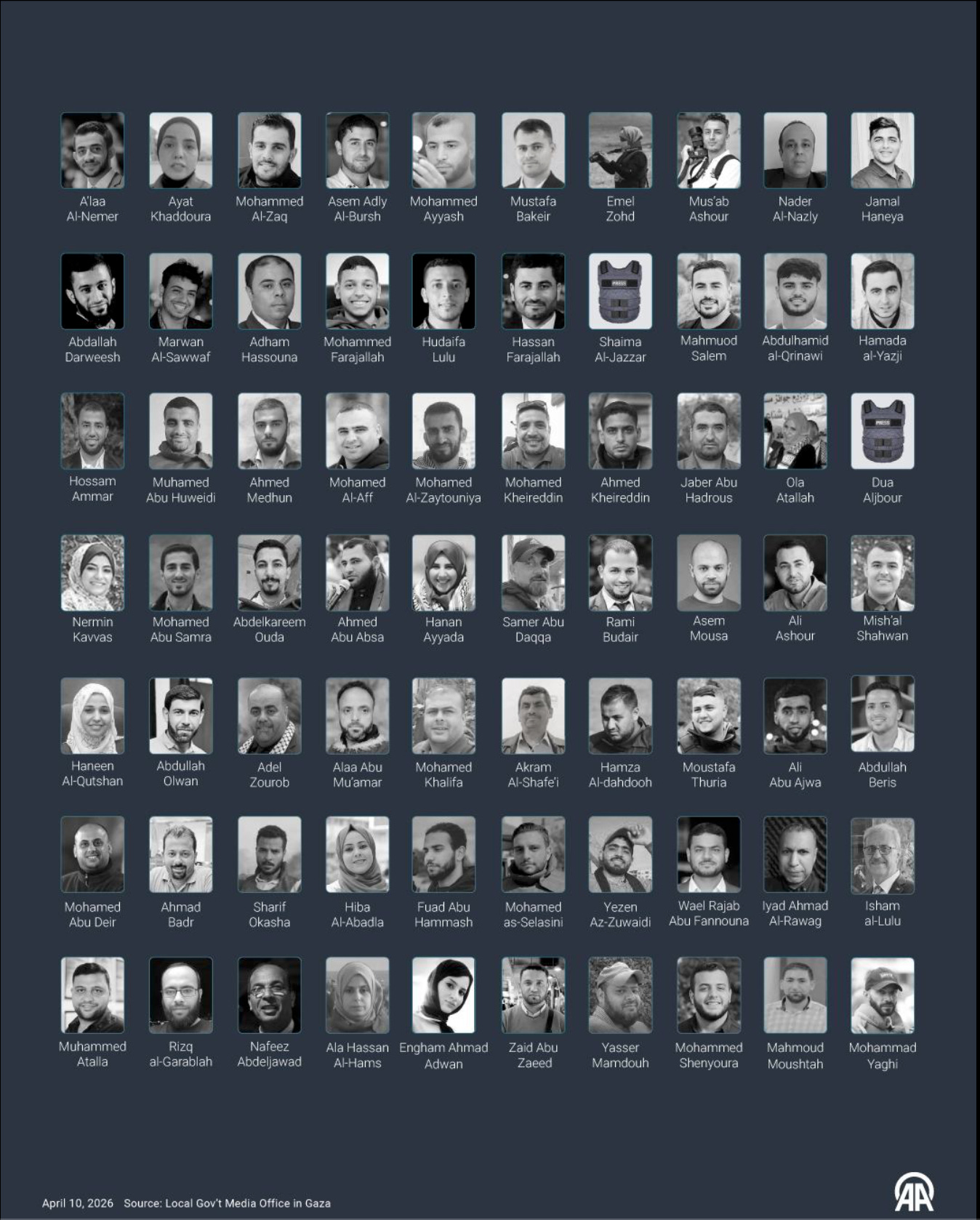
Journalists killed in unprecedented numbers, one every two days. It is the deadliest time for journalists in modern history. The act of witnessing itself targeted. I think of a journalist I know. The way he works. Quiet. Careful. Principled. Always checking, always returning, making sure he got it right. The kind of person who carries other people’s stories with more care than his own. We were up all night trying to access it. An old Facebook account. Deactivated for more than a decade. His face was already circulating. Accusations attached to his name. Claims constructed to suggest links that would justify targeting him. We had no idea which email was tied to it. The phone number no longer existed. We could not get in. But they could. They accessed it. Used it. We understood what that meant. If they could build a case around his name, they could build a reason to kill him. He kept working. While his colleagues and friends died around him, he continued documenting. Because that is what they do. This is how truth is made into a target. This is epistemicide.
Genocide
And through it all, the mass killing of civilians. Entire families erased in single strikes. Names wiped out from registries in one moment. Multi-generational households buried under the same roof. Repeated strikes on areas people are told to move to for safety. Shelters, schools, places of refuge hit again and again. People pulled from rubble, and then struck again in the same place. Rescue workers returning, knowing they may not leave. The wounded treated without anaesthetic, without electricity, without the conditions required to keep them alive. Not a single event. Not a single mistake. A pattern. Killing that extends through families, through neighbourhoods, through the conditions required to sustain life.
This is genocide.
This is extermination.
Erasure
None of these acts stand alone. They reinforce each other. Destroy the land and people cannot grow food, destroy the homes and they cannot return, destroy the hospitals and they cannot survive, destroy the schools and they cannot rebuild, destroy the records and they cannot prove they were ever there. This is not one crime. It is a system of erasure.
But one thing they did not foresee is resistance.
Sumud.
صمود
It does not matter which *cide is being carried out against a people. Genocide. Ecocide. Scholasticide. Medicide. Domicide. Urbicide. Culturicide. Memoricide. Epistemicide.
People do not simply disappear because colonial power wants them gone.
They endure. They remember. They build atop rubble. They replant. They teach. They treat the wounded. They document. They bury their dead when they are allowed to. They carry names, keys, stories, land, grief and defiance through generations.
They fight.
However long it takes.
Whatever is taken from them.
However much is destroyed.
They fight under freedom is won.
In Solidarity,
Liz
Powerful writing Liz. Thank you. 🕊
Omnicide, even.