
Hard boiled eggs
I miss what food meant, to eat what was shared, to find warmth in scarcity.

Author’s Note
Between Worlds is where the quieter parts of my life live. There is a life that happens in the gaps. The quiet mornings before a flight, the nights in unfamiliar beds, the thoughts that arrive only when I am alone. Between Worlds is my place to write about that life, the one that unfolds outside the headlines. Not the work itself, but the human being doing the work.
This piece marks the beginning of a new series, written from the quiet hours between journeys.
I giggled to myself thinking back to my assignment in Sudan and South Sudan last year. I was stationed in Juba for a night before flying to a border town between the two Sudans. I also knew it would be the last time I’d see a breakfast buffet for a month.
As with most assignments, miscommunication is the norm.
“I’ll pick you up at 9am sharp, Liza,” said John Garang, my driver.
Being Singaporean, punctuality is a reflex, not a choice. My bags were already packed, a small carry-on for the field and a larger suitcase to stay behind at the office in Juba. By 7am, I was at the buffet table, giving myself time to call home, send a few messages so friends knew I was alive, and savour a proper meal before disappearing from the grid for four weeks. Wi-Fi and electricity were things I never take for granted.
First order of business: coffee.
It’s rarely good overseas, but I’ve learnt to adapt. From Ethiopian brews so thick I once drank the sludge at the bottom, the pulp clinging to my throat for hours, to watery percolated blends filled to the brim with sugar that taste of homesickness, I’ve come to accept them all. At home it’s another story. I’m fussy about coffee the way others are about religion. Possibly cult-like.
Then the food. I’ve always loved food. It’s usually the first thing I fall for in any country. I love tasting the differences, the way each place handles spice, the way fire, time and habit shape something into its own identity. When I got home, I’d obsessively try to recreate it until I couldn’t look at another bowl of it again.


And where possible, I’d try to bring spices home, tiny packages of memory. Once, I’d lugged an entire bundle back from a Palestinian grocer in Egypt. The labels didn’t survive the journey and by the time I reached Australia, every bag looked identical. No clue what was turmeric, what was shawarma spice which I did recall buying, what was qudra. They were just a line-up of anonymous powders of all shades that smelled like a country I missed.
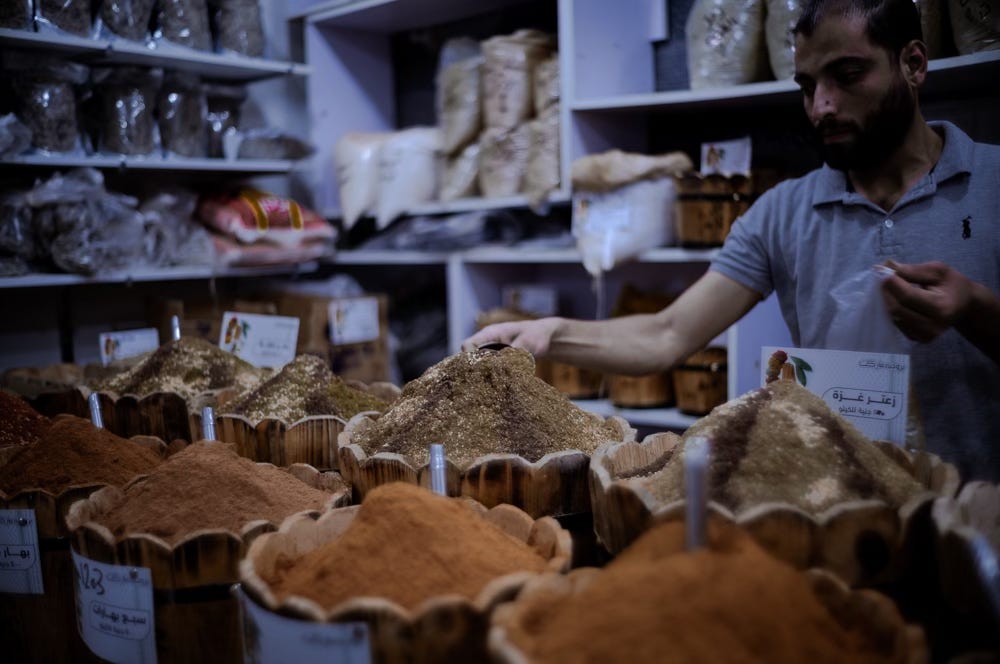
Most of the places I travel through don’t have “normal” markets anyway. They have whatever people have managed to scrape together and call a marketplace, survival arranged on a tarpaulin.
Goat stew. Shaiyah. Ful medames. Asida. Omelette. Kisra. That morning I took a little of everything, a whole sampler of South Sudan on one plate.
Goat stew isn’t just stew. Goat is survival in this part of the world. The animal that lives through war and drought, that crosses borders with displaced families, that feeds children when markets collapse. You taste it and you’re tasting decades of endurance. Not my favourite but I persevere.
Shaiyah, the grilled beef, carries the cattle culture on its back. Cattle here are wealth, identity, bride price, status, memory. When someone offers you beef, they’re offering something they could have kept for marriage, debts, negotiations. It’s generosity dressed as lunch.
Ful medames is the great connector from Egypt all the way down the Nile. It outlives empires, borders and the people who drew them. A pot of ful at dawn is the continent saying we’ve made it through another night.
Asida, which I quite enjoy as it reminds me nshima in Zambia. I couldn’t get enough of nshima. It is simplicity engineered for both feast and famine. Flour, water, heat. Thick enough to fill you, soft enough to comfort you, flexible enough to stretch with whatever sauce or protein you can find. It’s the Sahel in one spoonful.
The omelette is the wildcard, the economic litmus test. Eggs are cheap enough to stretch, expensive enough to feel. And they follow the UN footprint everywhere through compounds, guesthouses, NGO cafeterias, a reminder that you are here but you are not living what they live.
Kisra carries the memory of women. Generations of hands spreading batter onto a hot clay pan, creating a flatbread that fed families through war, displacement and entire seasons when hope was rationed. Kisra is not just bread. It’s a pulse.
I’ll eat whatever the locals eat, barring the odd termites and the cow’s-blood-with-milk concoctions that belong to another level of commitment. Food tells me more about a place than any book ever will.


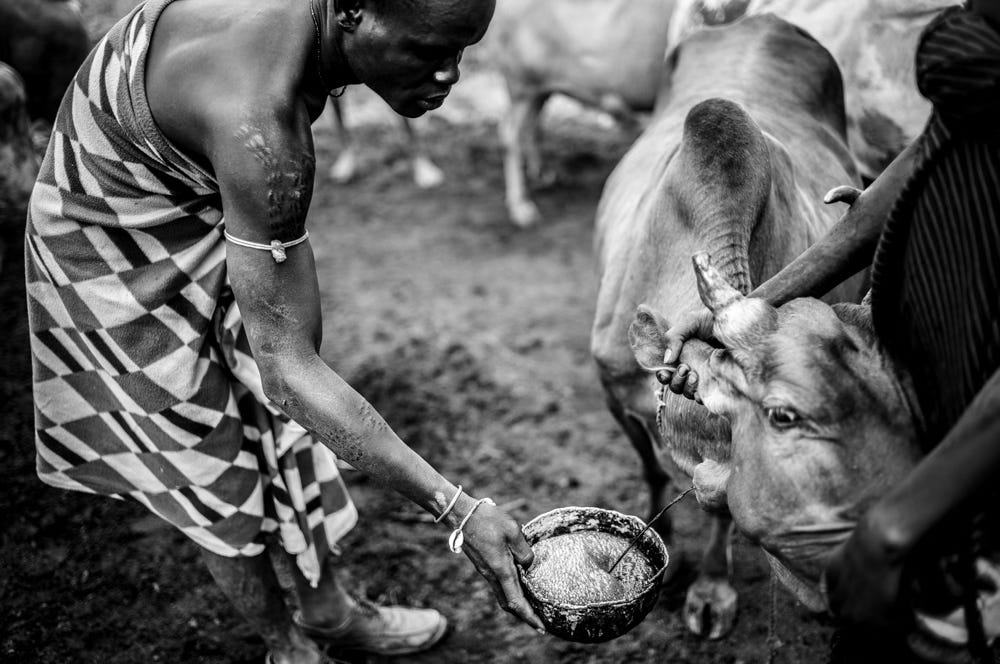
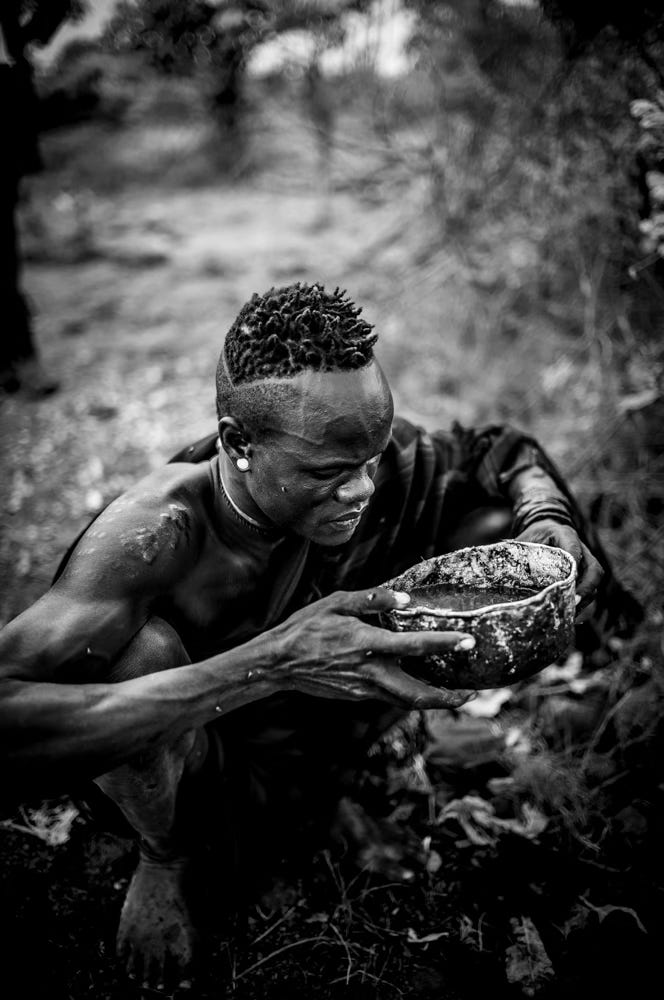
I once watched the entire process in Mursi country in Ethiopia where blood was drawn straight from the jugular of a cow, taken with a precision that doesn’t harm the animal. Warriors would drink it fresh for breakfast. They believed it kept them strong, kept them going, kept their immune systems sharp. A bowl of blood in the morning was enough to last them until dinner. It was both food and culture, both survival and ritual. All of it done with a straight face, as if drinking warm blood at sunrise was the most ordinary thing in the world.
Then the phone rang.
“Liza, are you ready? I’m waiting in the carpark!” John Garang sounded alarmed. It was 8am.
“We must get to the airport now to do the paperwork.”
There was no point arguing. I tried to remind him he had said 9am, but my voice vanished into the crackle of the bad phone line and John Garang’s rant roaring through the static.
I grabbed two hard-boiled eggs from the buffet, slipped them into the outer pocket of my backpack, and dashed.
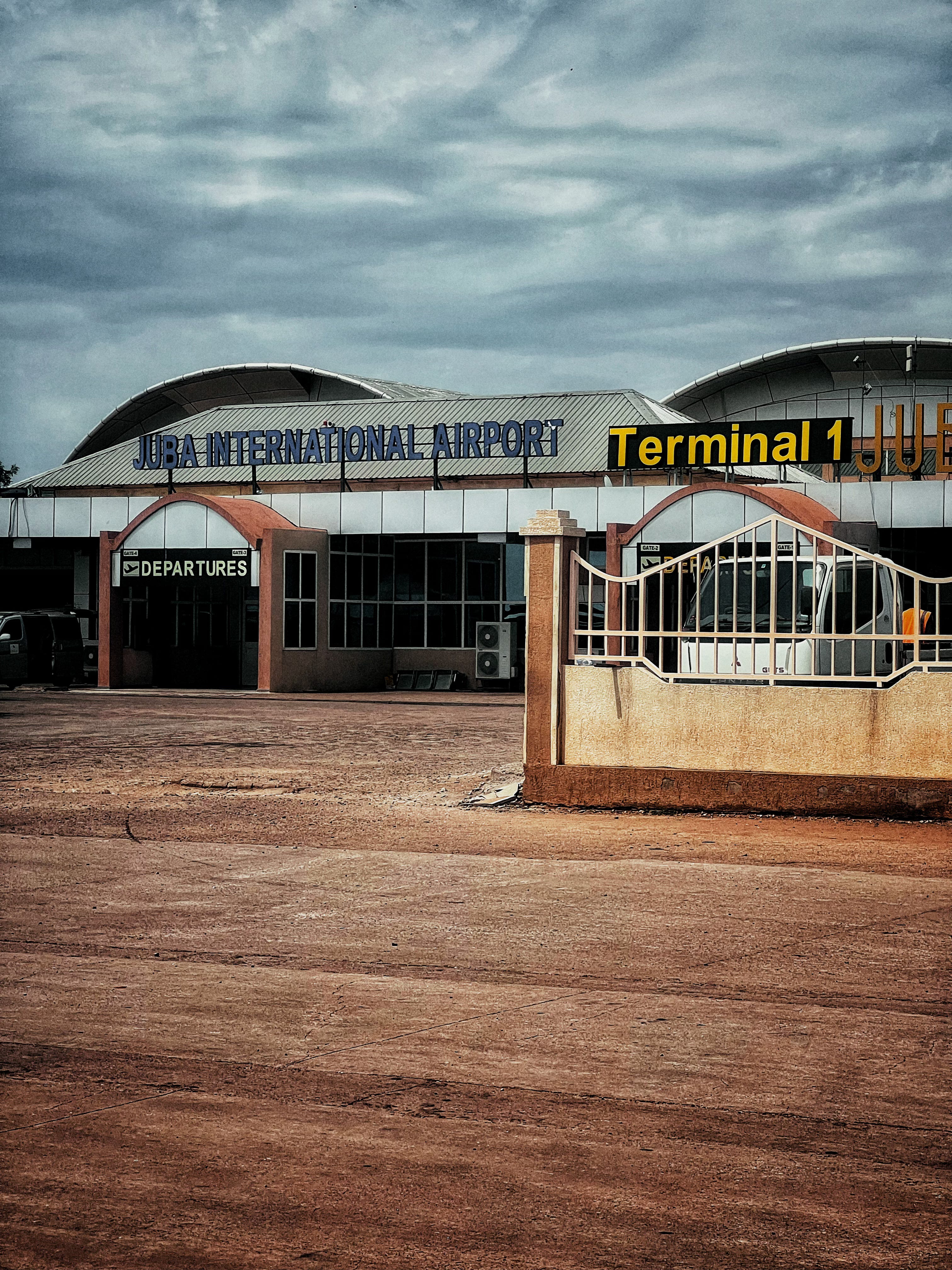
Airport procedures are never simple. UN bureaucracy moves slower than the planes themselves. That morning, I was boarding a UN flight to Bentiu, near the Sudanese border in the Greater Upper Nile. The floods had swallowed the land, farms turned to lakes, homes to water graves, people to reluctant fishermen.
By the time I had navigated hours of paperwork, boarded the flight, landed, and been driven to base by a UN staffer, I was starving. My room was a converted shipping container, the kind of accommodation that makes you wish for darkness so you don’t see too much of it. But, I had done much worse.
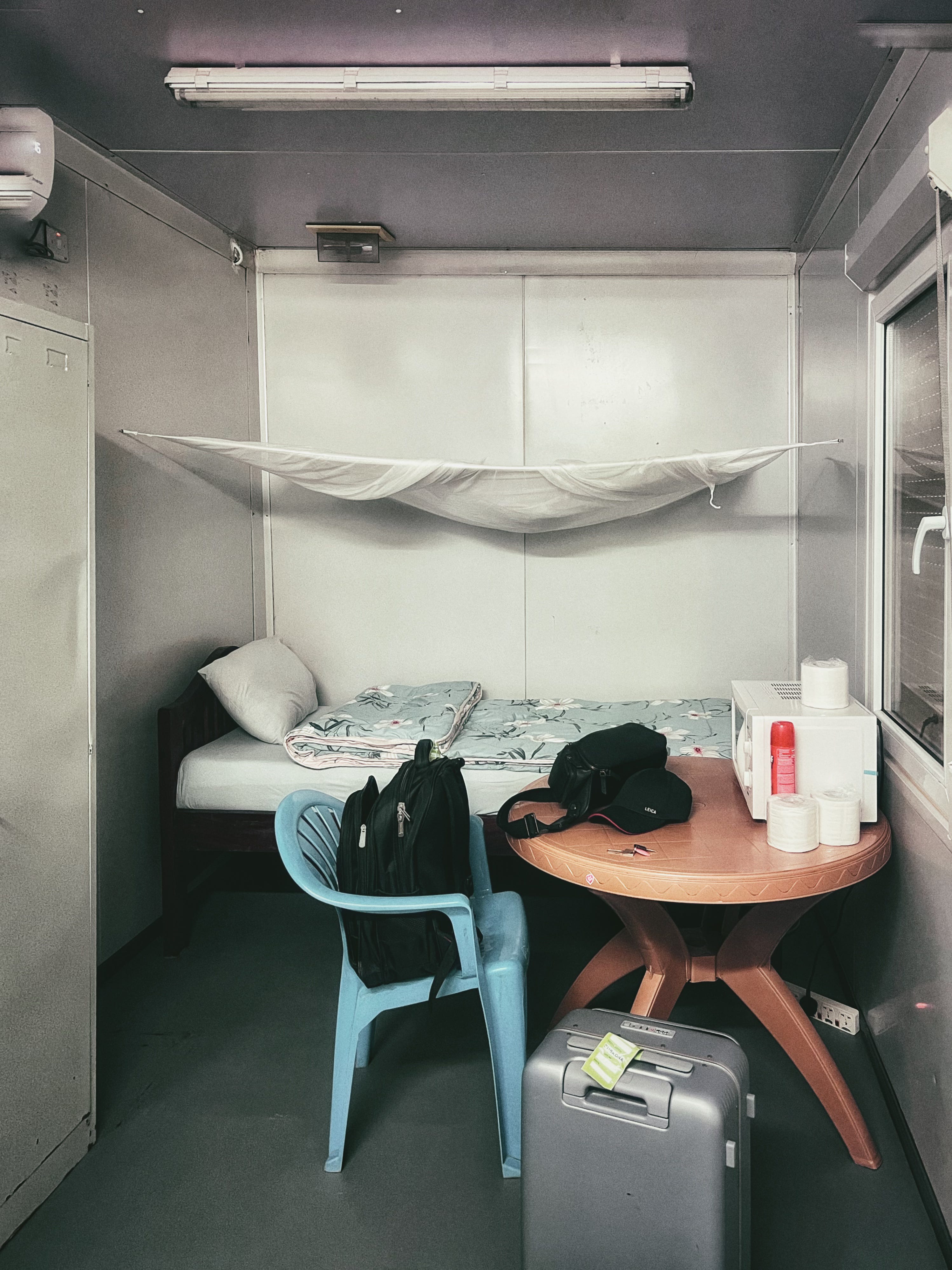
Then I remembered the eggs.
Triumphantly, I unzipped my backpack, already tasting the small victory of forethought.
The eggs had vanished.
For a brief, absurd moment, I suspected theft, someone stealing boiled eggs mid-flight when I passed out at the hum of the engine. Then it dawned on me. My precious breakfast stash hadn’t been boiled at all. They were raw. Two raw eggs that had exploded under cabin pressure somewhere over the Nile.
Bentiu was only a week, but the kind of week that felt longer. I was based inside the UN compound, with the modest comfort of a couple of simple cafés and a restaurant housed in another shipping container. We ate what was available. Some days there were rice and beans; most days we missed a meal or two and hoped that by the time we returned from the field, there was still food left. One particular day, the Indian chef decided to make shawarma. Ooooff that was a treat and a half. Hunger was patient company, a quiet companion that reminded us of our own privilege, that the people we were documenting had already lost everything.
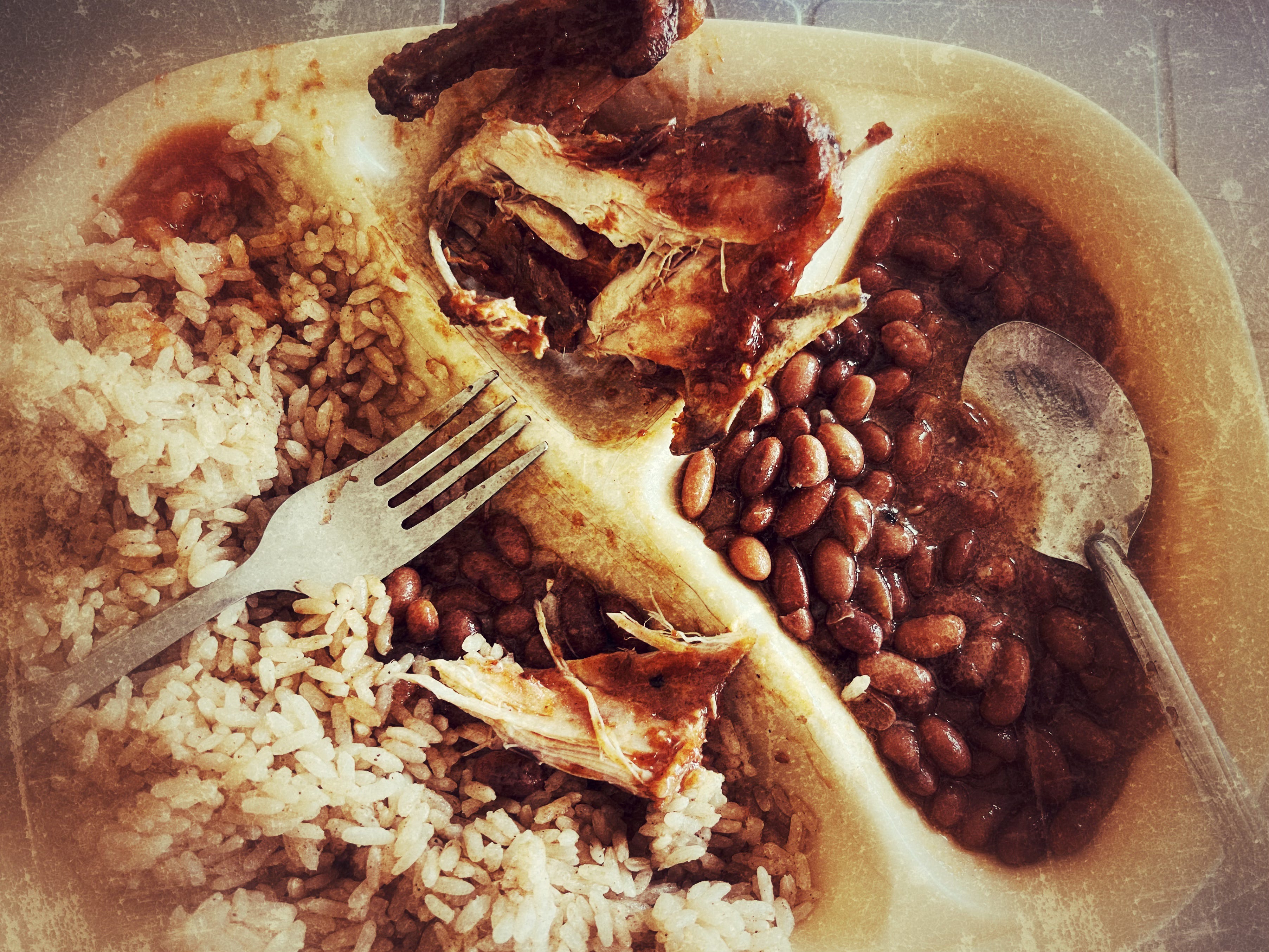
As an Asian, I always carried instant noodles with me, my comfort ration. Whether I could actually cook them was another story. In most of the places I’ve stayed, there were no stove, sometimes a weary kettle that wheezed more than it boiled. I made do, heating water in small batches, mixing it with whatever passed for heat. The result was rarely appetising, and I am not sure it was comforting either. The noodles clung together like damp cardboard, coated in a suspicious gloss of MSG, but they still felt like home, or at least the memory of it.
There’s one particular brand that now reminds me of Beirut and the nights when bombs went off not far from where I stayed. It’s strange, the things the mind holds onto. I see those noodles now and something warm rises in me, a strange comfort from a strange land that felt familiar even as the sky shook.
You eat when there’s time, not when you’re hungry. You eat what’s available, not what you crave. There’s no menu, only mercy. Sometimes that mercy takes the shape of rice that crunches with dust, sometimes it’s a cup of tea offered by a stranger who has already lost too much.
Food, in these places, becomes language.
It’s how people say you are safe here, even when safety is a rumour. It’s how they tell you that you are welcome, even when their own homes have been washed away, more than once.
There was a woman I met in Bentiu, standing waist-deep in floodwaters. When she emerged, she held a few stalks of lotus flowers, something I later learnt the locals did not eat unless they were desperate. She plucked a seed pod from the centre and showed me how they dried the seeds, ground them into powder, and used them as flour to make bread. She had lost her home twice, her cattle, her fields, yet there she was, still teaching, still giving, still standing in the water that had taken almost everything.
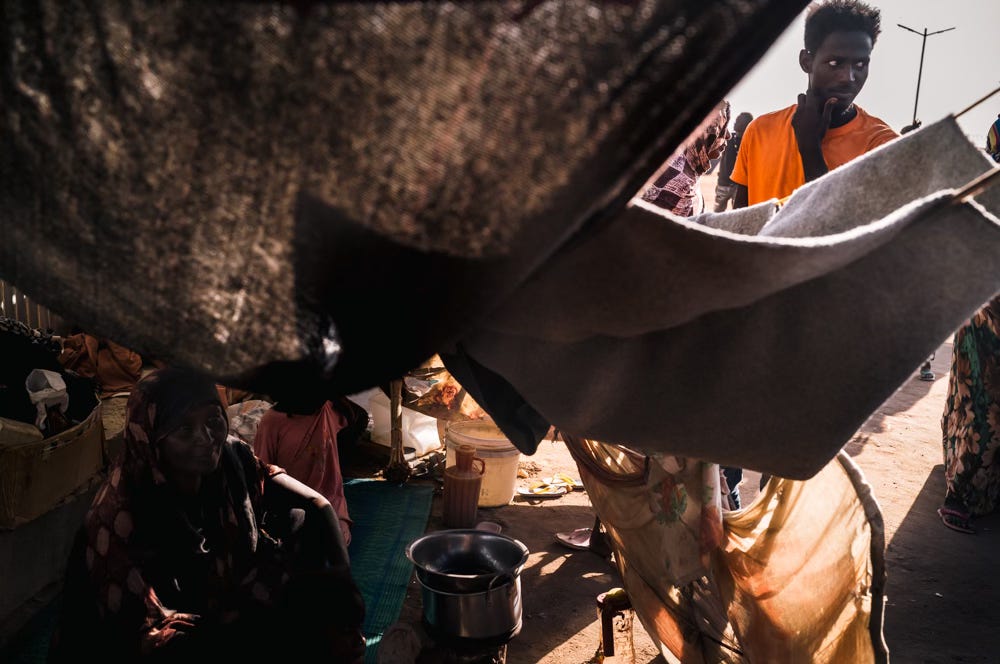
In Renk, the refugee camps were overflowing. Thousands crossed from Sudan into a border town that had no capacity to hold them, yet somehow did. Food there wasn’t just scarce. It was a negotiation of ration cards, waiting lines, and whatever small mercy arrived by truck that day.
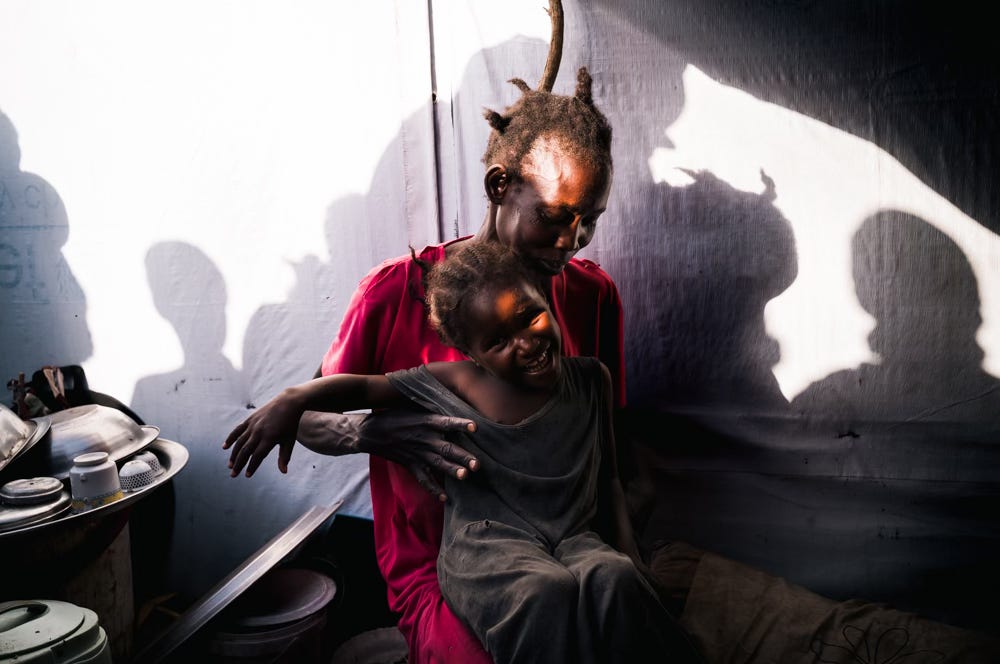
Back home, I eat without thinking. I reach for cutlery that matches, plates that aren’t chipped and marked. I can choose between almond milk and full cream, single origin or house blend. But part of me still measures meals by how far they had to travel, how many hands they passed through before reaching me.
Maybe that’s what eating in the field does. It recalibrates gratitude. It teaches you that nourishment isn’t in flavour but in company. That hunger, like exhaustion or fear, can be softened by kindness.
And that even an exploded egg or half-cooked instant noodles can remind you: you’re still alive, still learning, still here to laugh about it.
When I’m back, people ask if I miss the food. I don’t. I miss what it meant, to eat what was shared, to find warmth in scarcity, to laugh at cracked eggs and soggy noodles. Eating on the ground isn’t just about feeding the body. It’s about remembering how to stay human when the world forgets.
Maybe that’s what Between Worlds is for. The quiet after the assignment. The taste that lingers when the noise fades. A reminder that even in the smallest rituals, coffee too strong, noodles half-cooked, bread broken in silence, there’s a story of survival and something tender enough to call home.
Still learning, still thankful,
Liz
Photography and footages by Liz Loh-Taylor
Copyright ©️Liz Loh-Taylor
Straight from the ground, where the story lives.
Together, We Can Illuminate the World’s Stories
As someone on the ground in conflict zones, I practise immersive journalism, capturing the humanity behind geopolitics and war. I bring you firsthand accounts of resilience, courage, and hope amid unimaginable adversity. Your support keeps this work independent and allows me to share voices that would otherwise go unheard.
Beautiful! Thank you! I get lost in the images, feelings and senses you conjure up with such amazing writing!
Would you consider setting up alternatives to SS's Stripe for accepting contributions to your funding? Like, Buy Me a Coffee or somesuch? Or, can you accept PayPal donations via an email address? (I don't want to support Stripe)
Wow, Liz, this is exquisite. Just stunningly beautiful and meaningful. This is the sermon I needed to hear today. (I know it's meant as an essay.) I read it as a spiritual evocation of witness, wisdom and lived experience that teaches as it unfurls. Deep appreciation.